Energy efficiency is one of the main reasons why people are turning to slow cookers. Slow cookers use less energy than traditional cooking methods, and they keep food moist and flavourful. Cooking in the oven consumes a lot of electricity and with energy bills on the rise, it makes sense to avoid putting the oven on as much as possible. In fact, charities who help those on lower incomes are increasing turning to slow cookers as a way of helping people cook in a more frugal way. Slow cookers don’t take up a lot of space in a kitchen either which can be a consideration if you have a small home.
What is a slow cooker?
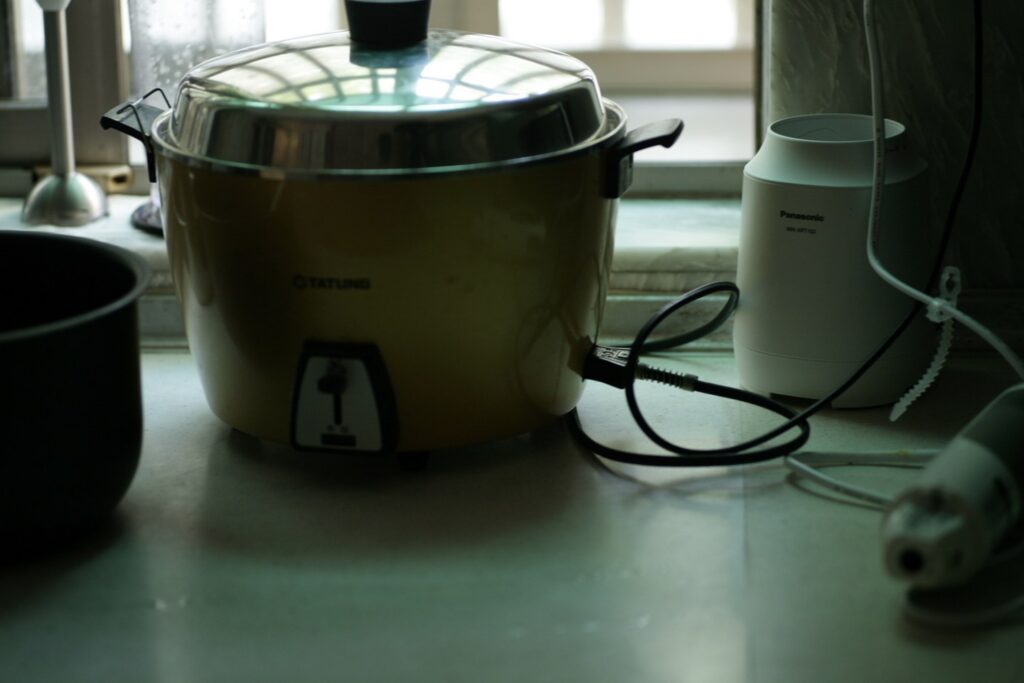
A slow cooker is an appliance that works on a low setting of heat to thoroughly cook the food. It is ideal for cooking meats and stews that need to simmer for a long time. This electrical device has now become a must-have in most modern kitchens. It is practical for people who prefer cooking easy, one-pot meals for their family.
How much energy does a slow cooker use?
Generally a slow cooker uses a similar amount of energy to a light bulb. You’d need to use a 160 watt slow cooker for 15 hours and 42 minutes to match one hour in your electric oven. That means that cooking a stew for 4-8 hours in a slow cooker is considerably more energy efficient than a normal electric oven.
What can I cook in a slow cooker?
An amazing range of things can be cooked in a slow cooker. Most people think about using theirs for stews and casseroles, but you can do a lot more. Some people use them to bake cakes. I often do a roast chicken in mind (although it does lack the crispy, golden brown skin). You can even do baked potatoes.
Different types of slow cooker
- Cast Aluminium: They are oven and hob friendly but are not suitable for the microwave.
- Ceramic: They are compatible with both microwaves and ovens. However, you can’t use them on a stove top or any direct flame.
- Metal: They are used for slow-cooking meats and stews. However, the heating element of a metal cooker is set at the base only, which does not provide even heat distribution.
- Thermal. These don’t need any power. They work well for stews. I often use my Wonderbag to finish a stew for me – you just need to get your mixture to the boil before placing the pot in the insulated Wonderbag.
Pros of a slow cooker
There are loads of benefits:
- Dinner ready when you come home from work if you spend a little time getting it ready for the slow cooker before you leave.
- Reduced energy costs
- Slow cooking increases flavour
- More nutrients retained in the cooking process – cheap and healthy meals
- Reduced use of greaseproof paper or tin foil
Cons of a slow cooker
There aren’t many, but there are a few things to consider.
- Don’t get the colour or crispiness associated with oven cooking unless you start or finish in a conventional oven
- You need to plan and prepare your meal ahead
- Cooking smells can make you hungry if you are working from home
All in all a slow cooker is a great way of cooking food and using a slow cooker to save energy costs is a good way of keeping your bills low.